








3. Preoperative intervention
Because large hospitals have tight beds and fast turnover, doctors are generally busy, and it is difficult to spare time for patient education and psychological counseling. The mechanism of using gastric bypass and gastric sleeve resection to reduce weight and control blood sugar is still under research, but the most important principle is nothing more than reducing the volume of the stomach, reducing hunger, and reducing the surface area for digestion and absorption.
Since it takes a period of time for patients to adapt to the new digestive tract and new eating habits and diet structure after surgery, it is completely possible to give correct dietary guidance (including calorie calculations) to patients who are willing to lose weight before surgery or even before hospitalization. Total volume control, nutritional balance, etc.), psychological construction, health supervision.
Like most people who only spend money to go to the gym to keep exercising, and only go to the study room of the library to learn, there are very few obese patients who want to learn scientific weight loss knowledge by themselves and stick to it with willpower. Such people have poor compliance and require professional supervision.
Some of them are not very heavy individuals, and individualized exercises should also be performed at the same time to increase calorie consumption. After this, according to the actual effect and the rate of weight loss, the patients who must be surgical intervention are selected from among them, and the preoperative preparations are carried out. This process is far more complicated than the operation itself, and it often makes doctors physically and mentally exhausted, and there is no formal name to charge for it, which is difficult to carry out.
It requires general surgery, endocrinology, nutrition, sports medicine, and mental health to form MDT so that doctors can earn money.
4. Bariatric Surgical costs
Bariatric surgery is temporarily not included in the medical insurance, and belongs to the category of "cosmetic surgery". The minimally invasive instruments used in laparoscopic bariatric surgery are expensive, and it often takes tens of thousands of yuan to complete the surgery successfully. For most obese patients, it is not yet possible to let them lose weight, let alone spend so much money on surgery.
This is also one of the difficulties encountered by domestic bariatric surgery. It is hoped that with the further deepening of medical reform, the cost of bariatric surgery can be reduced or included in medical insurance.
5. Bariatric Postoperative follow-up
The situation is similar to the previous intervention mentioned above. Due to the busy work of doctors, the post-hospital care for weight loss patients is insufficient. After the patient underwent the operation, the total diet and diet structure changed suddenly, and it took a long time to adapt.
Individual patients believe that surgery can completely solve the problem and cure obesity and diabetes. Therefore, there is no strict healthy diet management, which leads to the expansion of the remaining gastric pouch. Gain weight again after eating too much.
In addition to arranging special personnel (graduate students, or nurses in the team) for follow-up and supervision, the more important thing is the patient's own awakening and self-discipline.
Group psychological counseling projects can be set up, similar to sharing sessions for drug and alcohol rehabilitation. Everyone sat together, confessed their own mental journey, shared their weight loss experience, detours and misunderstandings, and encouraged and suggested through collective strength.
In summary, there are many difficulties and resistances encountered in carrying out metabolic bariatric surgery. It requires multidisciplinary cooperation and the dedication of medical staff. Many times, you need to sacrifice your spare time for public welfare lectures and education, and standardization is required. Patient management is a long way to go. May there be no fat in the world and everyone healthy.
Surgaid Medical (Xiamen) Co., Ltd
Surgaid Medical (Xiamen) Co., Ltd está empenhada no desenvolvimento, produção e comercialização de produtos cirúrgicos há mais de 10 anos. Em particular, produtos cirúrgicos minimamente invasivos. A cirurgia minimamente invasiva é uma direção de desenvolvimento cirúrgico. Tais como o Trocar Laparoscópico Descartável, Grampeador de Corte Linear, Grampeador Circular, PPH, e assim por diante.
O fabrico dos nossos próprios produtos cirúrgicos permite-nos ter um controlo total sobre a conceção e a evolução dos nossos produtos. Somos capazes de nos adaptar rapidamente ao mercado de cuidados de saúde em constante evolução e oferecer soluções de alta qualidade, de utilização única e económicas que competem diretamente com os líderes de mercado globais.
What is a Surgaid Bariatric Trocar used for?
A punção da parede abdominal é a base da cirurgia laparoscópica, e sua realização desempenha um papel vital; no entanto, vez ou outra ouvimos relatos de que, quando o trocarte bariátrico sem lâmina é perfurado, órgãos internos, intestinos, vasos sanguíneos e resíduos excessivos de dióxido de carbono podem facilmente causar dor no ombro e outras complicações nos pacientes após a cirurgia. Então, como o trocarte médico Surgaid evita esses perigos ocultos?
Produtos Surgaid:
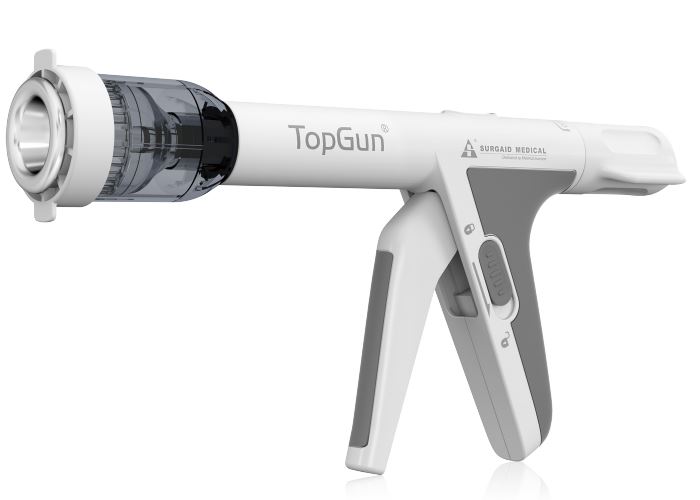
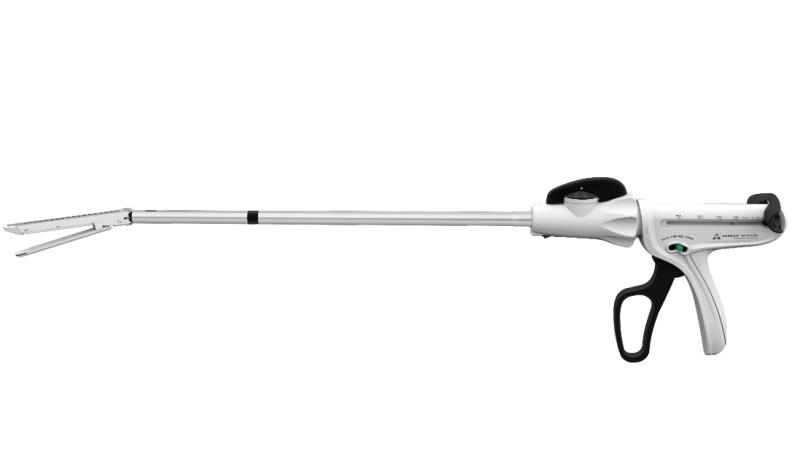
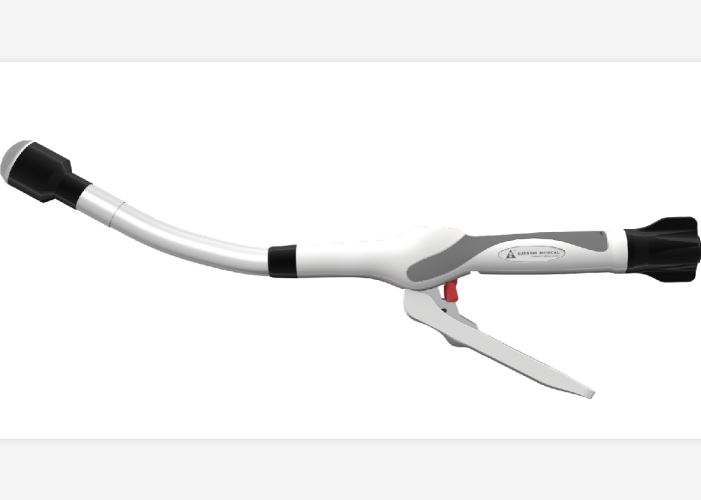
Para obter mais informações sobre o produto em https://www.surgaid-medical.com/